Hydrogen Fuel Cell Research and Training at the University of Pretoria
University of Pretoria • Hydrogen Fuel Cells
Research, Training & Partnerships powering South Africa’s hydrogen transition
At the University of Pretoria (UP), the Department of Electrical, Electronic and Computer Engineering is building a practical hydrogen ecosystem — combining QCTO-accredited technician training, TVET capacity development, and cutting-edge condition monitoring research to accelerate adoption of fuel cell systems across industry.
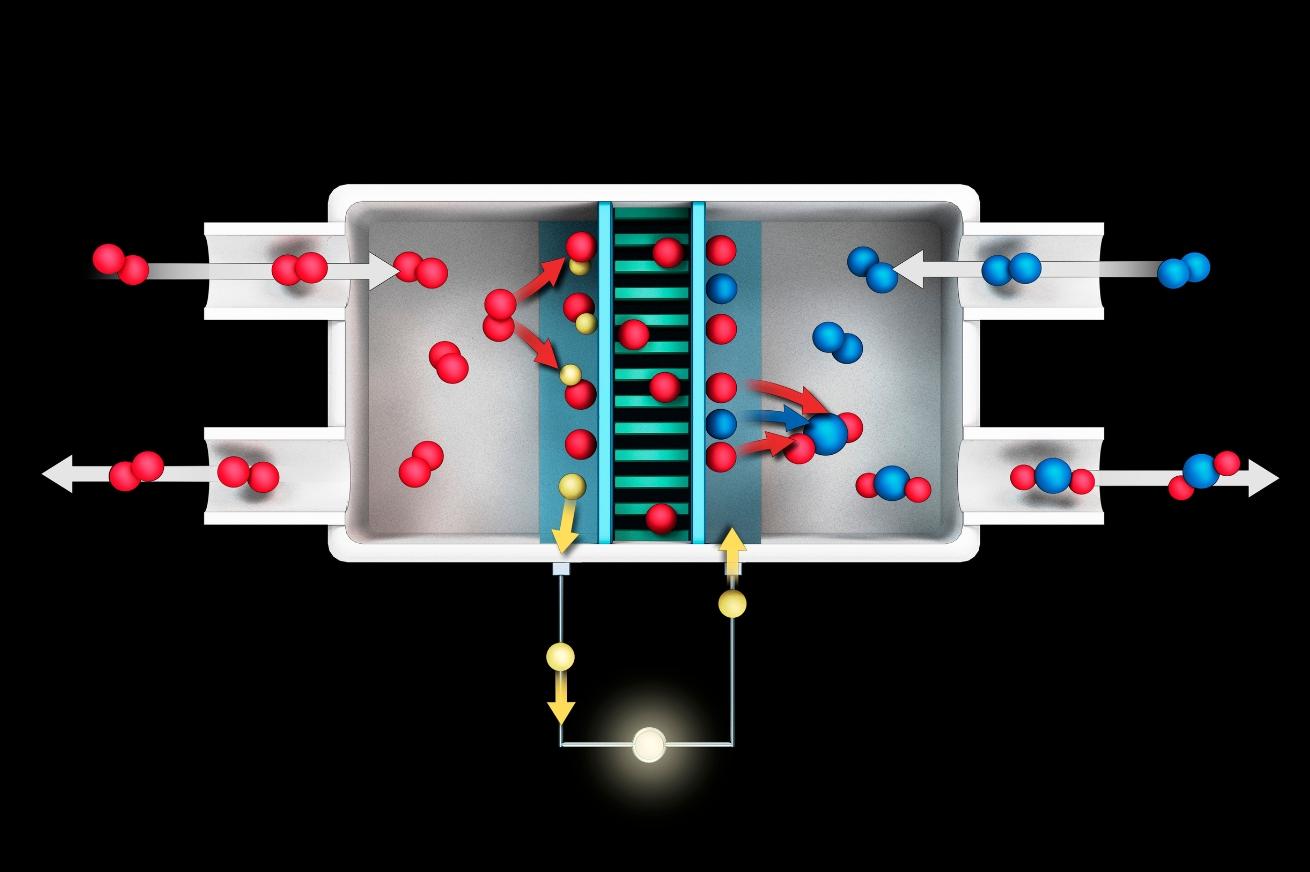
Predictive maintenance + AI diagnostics → safer operation, higher uptime, lower lifecycle cost.
At a Glance
Industry-aligned technician training and applied research that supports real deployments and long-term reliability.
- Fuel cell fundamentals
- Installation & commissioning
- Safety & compliance
- Diagnostics & troubleshooting
Hydrogen systems need trusted skills pipelines and reliable monitoring to scale safely and competitively.
- Higher uptime
- Lower lifecycle cost
- Improved safety
- Better bankability
We collaborate across industry and TVET partners to build capacity and accelerate deployment readiness.
Localisation, deployment support, reliability and integration studies.
Hydrogen infrastructure planning and systems integration.
Building South Africa’s Hydrogen Skills Base
UP is proud to be the first institution accredited by the Quality Council for Trades and Occupations (QCTO) to deliver formal hydrogen fuel cell training for technicians. This milestone is a practical step toward developing the technical workforce needed to support the hydrogen economy at scale.
What technicians learn
Our programme is designed to be hands-on and deployment-ready:
- Hydrogen fuel cell system fundamentals
- Installation and commissioning
- Safety and regulatory compliance
- Diagnostics and troubleshooting
- Maintenance and performance optimisation
We are scaling delivery through a TVET train-the-trainer partnership model, enabling lecturers and instructors across South Africa to deliver hydrogen fuel cell technician training within their own colleges.
Industry Collaboration: Bambili and HyPlat
A strong hydrogen ecosystem depends on close collaboration between academia and industry — where training, research, and deployment continuously inform one another.
Bambili Energy
Through collaboration with Bambili, we support localisation and deployment of hydrogen fuel cell systems in South Africa. Their focus on distributed hydrogen solutions aligns with our work in system integration, performance analysis, and reliability enhancement — ensuring deployments are robust, safe, and maintainable.
HyPlat (https://www.hyplat.com)
Our partnership with HyPlat focuses on hydrogen infrastructure planning and systems integration. This enables us to connect research and training to deployment strategies — strengthening the technical readiness needed for scalable hydrogen adoption across industrial sectors.
Research Focus: Condition Monitoring of Hydrogen Fuel Cell Systems
A major pillar of our research programme is condition monitoring and digitalisation of hydrogen fuel cell systems.
Hydrogen fuel cells are complex electrochemical systems. Over time, performance can degrade due to:
- Membrane degradation
- Catalyst poisoning
- Thermal cycling stresses
- Hydrogen purity variations
- Balance-of-plant component failures
Our research programme integrates:
- Advanced sensor deployment to monitor voltage stability, current density, temperature distribution, humidity, and gas flow.
- AI and machine learning to detect anomalies and forecast performance degradation.
- Digital twins and analytics platforms to model system behaviour under real operating profiles.
- Predictive maintenance frameworks that reduce downtime and extend system life.
From Reactive Maintenance to Intelligent Energy Systems
Traditionally, hydrogen systems relied on reactive or schedule-based maintenance. Predictive maintenance replaces those approaches by enabling early intervention, data-driven servicing, and evidence-based risk reduction.
Identify degradation signatures before they become failures.
Schedule maintenance proactively and avoid surprise outages.
Replace components based on condition, not guesswork.
Higher confidence in performance, safety, and operating cost.
Strategic Impact
Our integrated approach — combining QCTO-accredited training, TVET partnerships, industry collaboration, and advanced research — delivers impact across multiple levels:
- Workforce Development: Building skilled hydrogen technicians ready for deployment.
- Industrial Support: Strengthening local partners through technical expertise and reliability engineering.
- Technology Innovation: Advancing AI-driven fuel cell diagnostics and predictive maintenance.
- Economic Growth: Supporting South Africa’s hydrogen transition through scalable capacity building.
If you’re deploying hydrogen fuel cell systems, building hydrogen training capacity, or interested in joint research on condition monitoring and predictive maintenance, we welcome collaboration with industry, government, and TVET partners.